

Professional Switch & Outlet Installation & Replacement
Switches and outlets are things you use every single day without thinking about them - until they stop working, start sparking, or just can't keep up with what you need. ResQmedics can install and replace outlets and switches of all types, from basic upgrades to smart switches with home automation integration. Whether you need GFCI outlets in wet areas, USB outlets for charging devices, or dimmer switches for better lighting control, we'll get you set up safely and properly.
Need new switches or outlets installed? Call us at 941-216-7000 or message us online - we'll handle it.
When Should I Replace My Outlets And Switches?
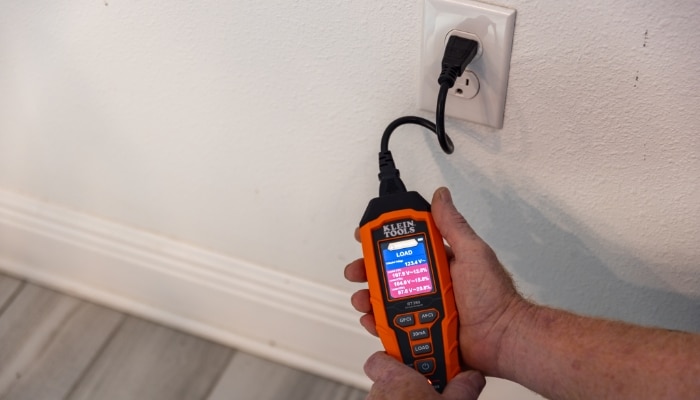
Outlets and switches don't last forever, and knowing when replacement makes sense prevents safety issues while improving functionality throughout your home.
- Visible Damage or Discoloration: Cracked faceplates, scorch marks, melted plastic, or discoloration around outlets and switches indicate overheating or arcing requiring immediate replacement.
- Loose Outlets That Won't Hold Plugs: When outlets become worn and won't grip plugs securely, they create poor connections, causing arcing, heat buildup, and potential fire hazards.
- Switches That Don't Work Reliably: Flickering lights when toggling switches, switches requiring multiple attempts, or switches feeling hot indicate failing components needing replacement.
- You Have Two-Prong Ungrounded Outlets: Older homes with two-prong outlets lack the ground protection essential for safety and required for most modern electronics and appliances.
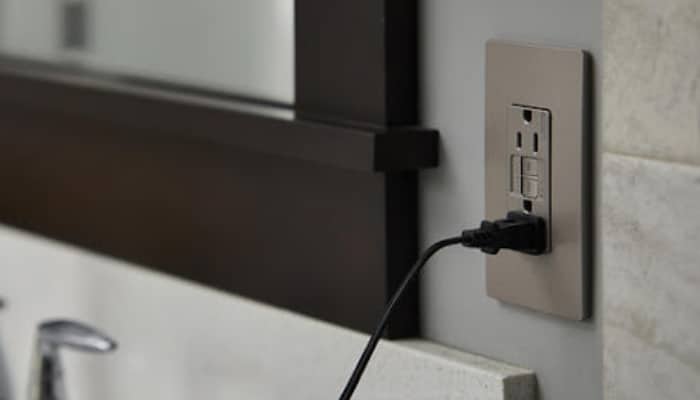
- Missing GFCI Protection in Required Areas: Bathrooms, kitchens, garages, outdoor outlets, and locations near water need ground fault circuit interrupter protection meeting current electrical codes.
- Upgrading to Modern Features: Adding USB charging outlets, smart switches, dimmer controls, or weather-resistant outdoor outlets improves convenience and functionality throughout your home.
What Types Of Outlets Should I Install In Different Areas?
Different locations have different outlet requirements based on safety codes, functionality needs, and the devices you'll be powering in those spaces.
- GFCI Outlets for Wet Locations: Bathrooms, kitchens within six feet of sinks, garages, outdoor areas, and anywhere near water require ground fault protection, preventing electrocution.
- AFCI Protection in Areas: Bedrooms, living rooms, dining rooms, and similar spaces need arc fault circuit interrupter protection, preventing electrical fires from damaged wiring.
- USB Outlets for Charging Convenience: Outlets with integrated USB ports eliminate bulky charging adapters, providing convenient phone and tablet charging in bedrooms, kitchens, and offices.
- Weather-Resistant Outdoor Outlets: Exterior outlets need special covers and weather-resistant construction that withstands rain, humidity, and temperature extremes without failing or corroding.
- Tamper-Resistant Outlets for Child Safety: Spring-loaded shutters in outlets prevent children from inserting objects, required by code in newer homes and smart additions during renovations.
- Heavy-Duty Outlets for High-Draw Equipment: Appliances, power tools, and equipment drawing significant current need 20-amp outlets rather than standard 15-amp receptacles, preventing overheating.
Switch & Outlet FAQs
Individual outlet or switch replacement typically costs $100-$200 per device, including labor. Upgrading multiple outlets to GFCI, USB, or smart switches reduces per-unit costs. Installing outlets where none existed previously costs $200-$400, depending on wiring distance from power sources. We provide free estimates detailing costs for your specific project.
While replacing outlets and switches seems simple, it involves working with live electrical wiring that can shock or cause fires if done incorrectly. Professional installation ensures proper connections, correct wiring, appropriate outlet types for locations, and code compliance. Licensed electricians carry insurance protecting you from liability if problems occur.
Code requires GFCI protection for specific locations: bathrooms, kitchens within six feet of sinks, garages, unfinished basements, crawlspaces, outdoor areas, and anywhere near water sources. Not every outlet needs to be a GFCI device - one GFCI outlet at the circuit start protects downstream outlets. We assess your home, identifying which locations require GFCI protection.
What Are The Benefits Of Smart Switches?
Smart switches transform how you control lighting and devices throughout your home, offering capabilities traditional switches simply can't match.
- Remote Control From Anywhere: Smart switches connect to WiFi, allowing you to control lights from your phone, whether you're upstairs, at work, or across the country.
- Scheduling and Automation: Program lights to turn on and off automatically based on schedules, sunrise/sunset times, or triggers from other smart home devices.
- Voice Control Integration: Smart switches work with Alexa, Google Assistant, and Siri, allowing hands-free lighting control through simple voice commands.
- Energy Monitoring: Many smart switches track energy consumption, showing exactly how much electricity different lights use, helping identify waste and reduce bills.
- Scene Creation: Set up lighting scenes activating multiple switches simultaneously - "movie mode," "goodnight," or "party" scenes control whole-home lighting with single commands.
- No Hub Required for Many Models: Modern smart switches often connect directly to WiFi without requiring separate hubs, simplifying installation and reducing equipment costs.
How Many Outlets Should Each Room Have?
Outlet quantity affects convenience, safety, and code compliance. Understanding requirements helps ensure adequate coverage without extension cord reliance, creating hazards.
- Code Requires Outlets Every 12 Feet: Along walls, outlets must be spaced so no point is more than six feet from an outlet, preventing excessive extension cord use.
- Kitchens Need Counter Outlets Every 4 Feet: Countertop outlets must be within two feet of any point along counter spaces, with at least two 20-amp circuits serving these outlets.
- Bathrooms Require Dedicated Circuits: Bathroom outlets need dedicated 20-amp circuits with GFCI protection, separate from lighting circuits, ensuring adequate power for grooming appliances.
- Living Areas Benefit from Extra Outlets: While codes establish minimums, additional outlets improve convenience, eliminate extension cords, and accommodate modern electronics without overloading circuits.
- Home Offices Need Abundant Power: Dedicated circuits with multiple outlets support computers, monitors, printers, and equipment without overloading or requiring power strips everywhere.
- We Assess Your Actual Needs: During consultations, we evaluate how you actually use spaces, recommending outlet quantities and placements matching your lifestyle beyond just minimum code requirements.
What's The Difference Between 15-Amp And 20-Amp Outlets?
Understanding outlet amperage ratings helps ensure proper installations, matching circuit capacities, and equipment requirements without creating safety hazards.
- Physical Appearance Differs: 20-amp outlets have a T-shaped neutral slot accommodating both standard and 20-amp plugs, while 15-amp outlets have parallel vertical slots.
- Wire Gauge Requirements Vary: 20-amp outlets require 12-gauge wire on 20-amp circuits, while 15-amp outlets use 14-gauge wire on 15-amp circuits per electrical codes.
- Load Capacity Affects Applications: 15-amp outlets safely handle up to 1,800 watts continuously, while 20-amp outlets support 2,400 watts, accommodating higher-draw appliances and equipment.
- Kitchen and Bathroom Standards: Modern codes require 20-amp circuits for kitchen countertop outlets and bathroom receptacles, ensuring adequate power for appliances drawing significant current.
- Matching Breakers Is Essential: Outlet amperage ratings must not exceed circuit breaker ratings - 20-amp outlets require 20-amp breakers, though 15-amp outlets work on either.
- Professional Installation Ensures Safety: Proper matching of outlets, wire gauge, and breaker ratings prevents overheating and fire hazards - we verify everything matches correctly during installations.
Upgrade Your Switches & Outlets The Right Way
Outlets and switches are the interfaces between you and your home's electrical system - they should work reliably, safely, and provide the functionality you actually need. Whether you're replacing failing devices, upgrading to modern features, or adding outlets where you need them, proper installation ensures everything works correctly for years.
Stop dealing with outlets that don't work or switches that are just plain annoying. Call us at 941-216-7000 or reach out online today to get your switches and outlets upgraded!